


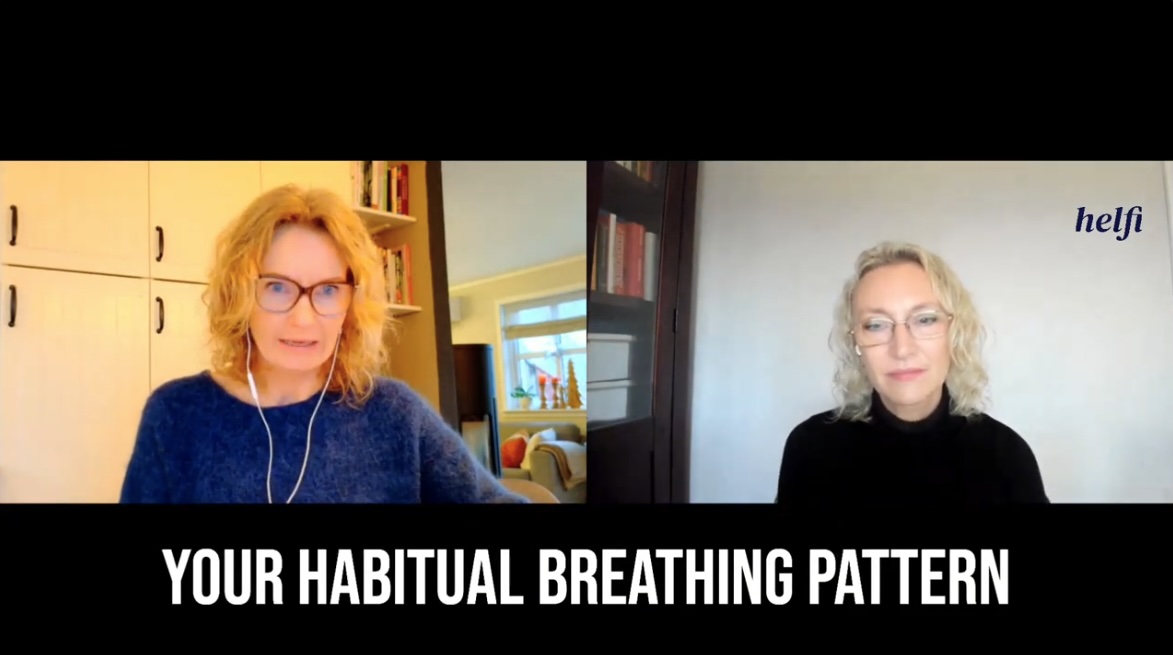
Your breathing pattern determines if your nervous system signals pain or peace
Nina Melhus traded 25 years in high-stress leadership for a scientific pursuit of nervous system calm and discovered that breath is the body's hidden remote control.
After hitting the wall herself, she realized that breathing is the most overlooked key to managing a body in constant high tension. As a cognitive therapist and certified Oxygen Advantage instructor, she observes how fibromyalgia patients unconsciously breathe themselves sicker every single day. Most people with chronic pain breathe too fast and too high in the chest, keeping the body in a state of perpetual high alert. This form of over-breathing depletes the blood of necessary carbon dioxide, which paradoxically prevents oxygen from ever fully reaching the aching muscles.
This is how your breath becomes your greatest ally instead of your worst enemy.
Nasal breathing is the only way to give your muscles the oxygen they are screaming for
Mouth breathing is a guaranteed recipe for increased fatigue and more intense pain peaks.
Nina emphasizes that correct nasal breathing is crucial for restoring the chemical balance required for oxygen to reach the muscles. For anyone seeking answers on how to avoid pain peaks, this is the first and most critical step to calm the body's automatic stress responses. This simple move contributes to better recovery and is fundamental for maintaining a healthy balance between work and fibromyalgia.
Evidence shows that those who control their nasal breathing also manage daily fluctuations far more effectively.
The LSD method for pain reduction:
- Light: Breathe a smaller volume than you feel you need to increase CO2 tolerance.
- Slow: Reduce your breathing rate to under 10 breaths per minute to calm the nervous system.
- Deep: Use your diaphragm actively so the lungs fill from the bottom without tensing your neck.
The LSD method teaches you to breathe less to achieve more energy
Many people make the mistake of thinking that "deep breaths" mean drawing in as much air as humanly possible.
Nina Melhus explains that the key lies in breathing less, but more efficiently, to retrain the body to tolerate carbon dioxide again. This is a central part of how pacing and fibromyalgia are linked in practice, as it prevents the nervous system from burning "fuel" on unnecessary stress responses. Mastering this technique makes it easier to understand how to exercise with fibromyalgia without every session ending in a pain flare-up.
Proper technique is about the quality of the air, not the quantity you manage to force down.
«You cannot control the pain directly, but you can control the breath that feeds it.» - Nina Melhus
Conscious breathing is your cheapest insurance against long-term disability
Small adjustments to your breathing pattern during the workday can be the difference between a productive day and sick leave.
By identifying when you hold your breath—whether in front of the computer or during a stressful conversation—you can proactively deactivate the stress response before it triggers a crash. This is strategic self-management that makes it possible to document real improvement over time when explaining your situation to a doctor or social services. Systematic use of breathing techniques gives you the surplus energy needed to navigate a demanding healthcare system without losing yourself along the way.
This is how you take the power back from a diagnosis that otherwise feels defined by unpredictability.


